
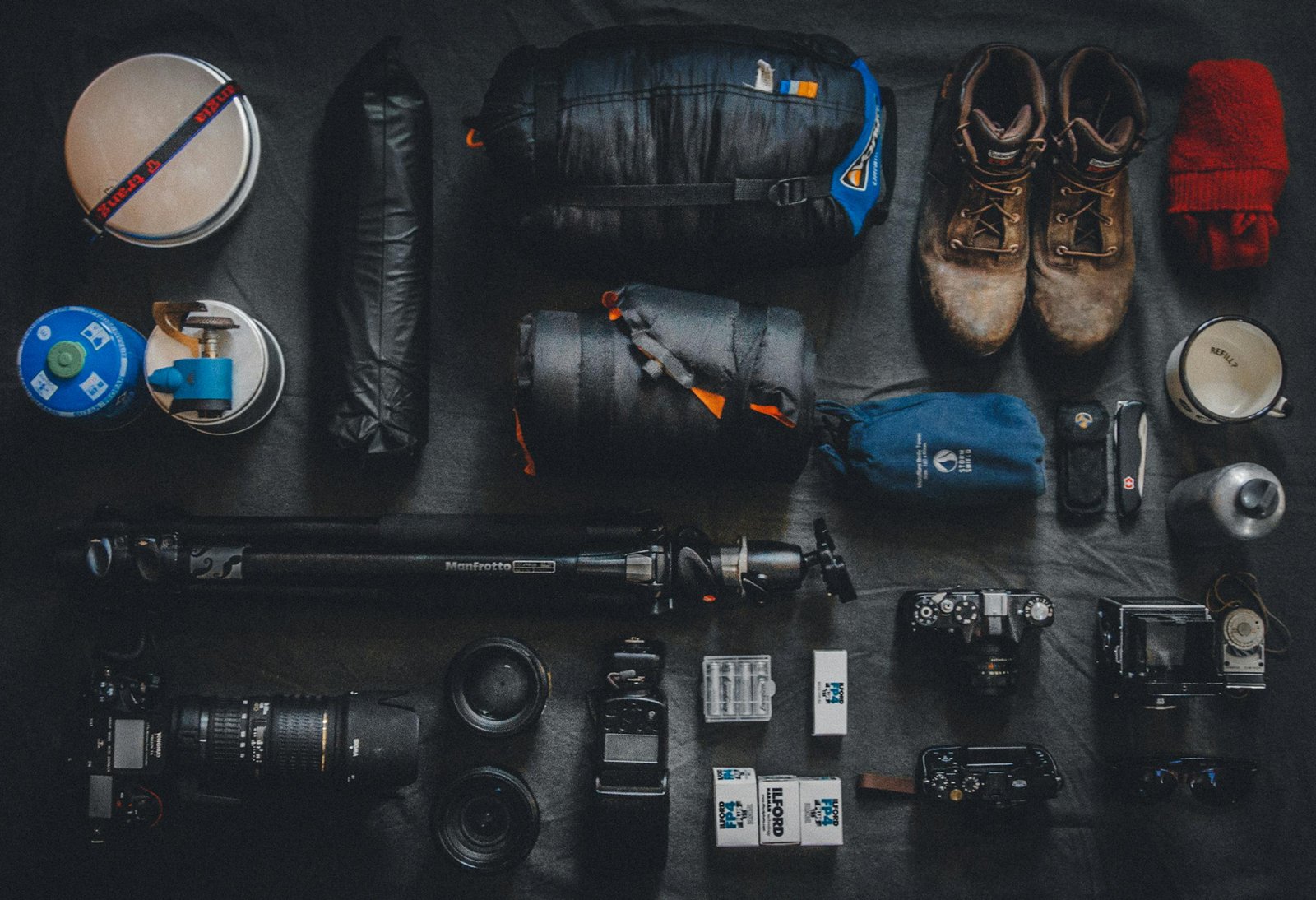
What to Pack for a Montana Trip (From Someone Who Actually Grew Up Here)
Look, I’ve lived here my whole life and the weather is still the most confusing thing about this state. It’s not just that it changes; it’s that it has no sense of timing. You can start a morning needing a heavy coat and end it in a t-shirt, wondering where you can find some shade.
The biggest mistake I see people make is packing for the Montana they see on TV: lots of stiff denim, heavy leather jackets, and pristine hats. Honestly? That’s the quickest way to be uncomfortable. If you show up looking like you’re headed to a movie set, you’re going to realize pretty fast that the “scenic” mountains don’t care about your outfit.
Here is how you actually pack for this place without overcomplicating it.
The “Cotton is the Enemy” Rule
I know, I know – cotton is comfortable. But if you’re planning on doing anything more than sitting in a coffee shop in Missoula, leave the heavy cotton hoodies at home.
Here’s the thing: once cotton gets wet, whether it’s from a sudden afternoon rain or just from you sweating on a uphill trail, it stays wet. It doesn’t breathe, and it definitely doesn’t keep you warm once it’s damp. In fact, it’ll pull the heat right out of you.
Go for wool or synthetics instead. Merino wool is the gold standard around here. It doesn’t get itchy, it doesn’t hold onto smells, and it actually does its job when the temperature takes a dive.
Think in Layers, Not Units
Don’t bring one massive, heavy parka and think you’re set. You want pieces you can stack.
- A base layer: Something thin that wicks moisture.
- An insulation layer: A fleece or a lightweight down “puffy” jacket. You’ll see locals wearing these even in the middle of summer because the minute the sun goes behind a mountain, the temperature drops twenty degrees.
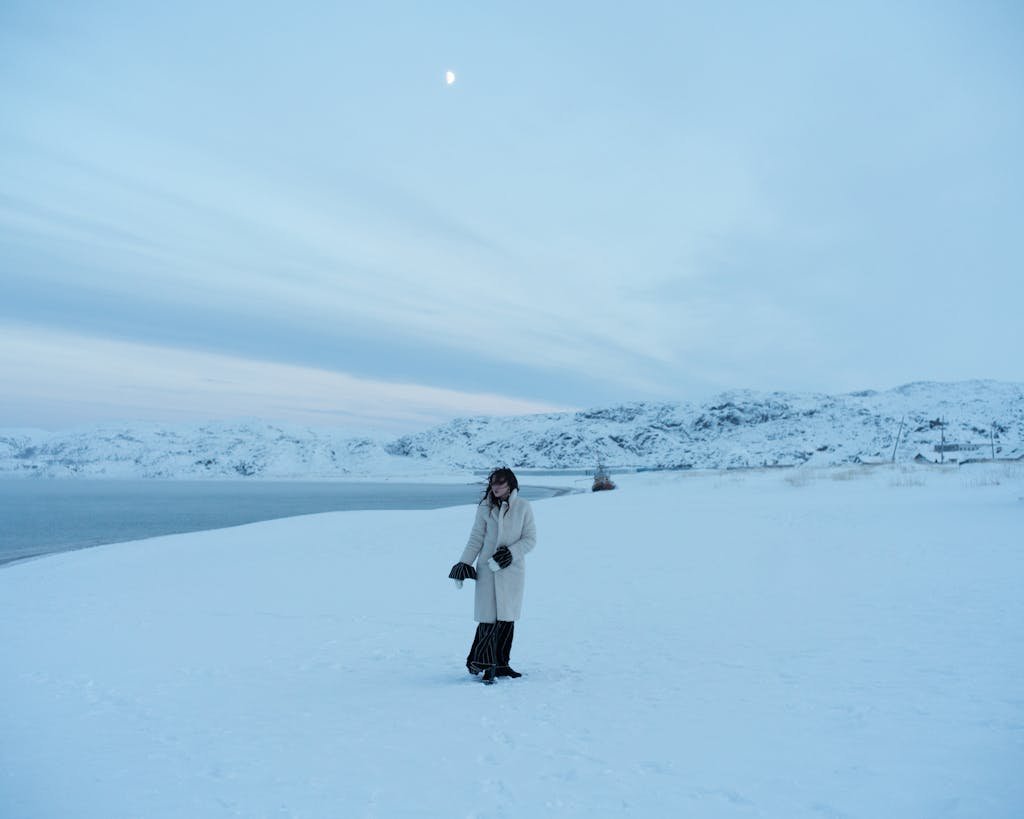
- A shell: A real rain jacket. Not a “water-resistant” windbreaker that’s going to soak through in ten minutes. It needs to actually block the wind, too.
Your Shoes are Going to Get Beat Up
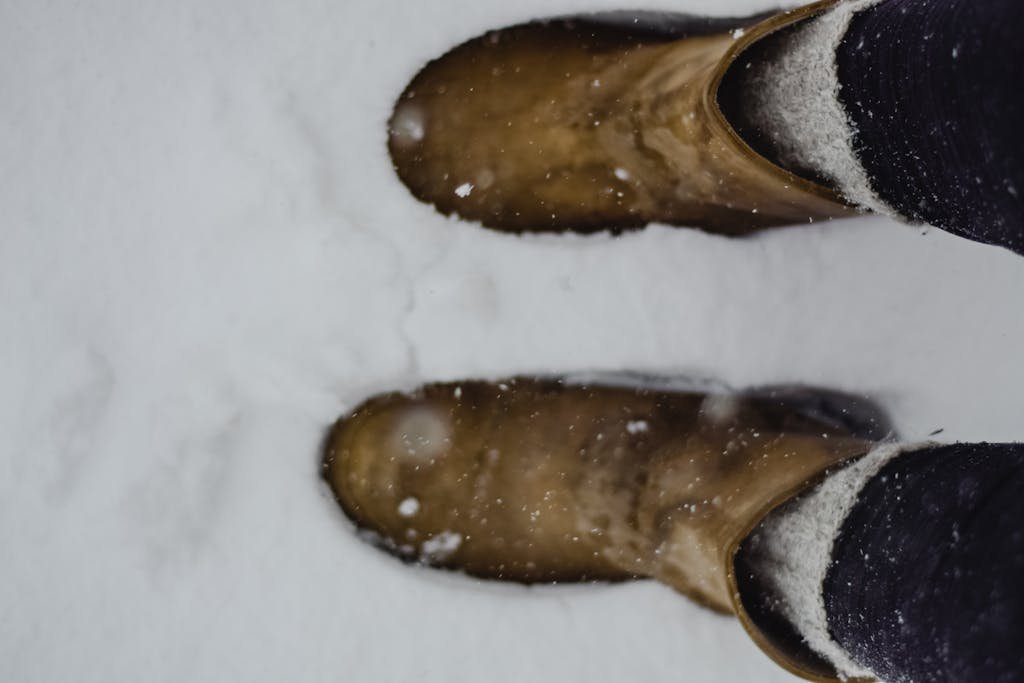
There’s no point in bringing your nicest shoes here unless you plan on staying indoors the entire time. Between the gravel, the dust, and the occasional mud, anything white or suede is going to be ruined by day two.
If you’re buying new hiking boots for the trip, for the love of everything, wear them for a few weeks before you get here. There is nothing worse than being halfway up a trail and realizing your heels are a mess of blisters. Most of us just wear sturdy, all-weather boots or beat-up sneakers that we don’t mind getting a little dusty.
The Bear Spray Talk
Don’t be the person who buys bear spray at the airport gift shop for $60 and then leaves it in the plastic packaging.
- You can’t fly with it. Don’t try to put it in your checked bag; TSA will have a field day.
- Rent it. If you’re only here for a week, there are plenty of spots in Kalispell or West Yellowstone where you can rent a canister.
- Keep it on your body. If it’s buried in the bottom of your backpack, it’s a paperweight. It needs to be on your belt or your pack strap.
And please, learn how to use it. It’s a deterrent, not bug spray. (And yes, people have actually tried to spray themselves with it. Don’t do that!) Most locals carry it without thinking about it, the same way you’d grab your keys.
The “Montana Tuxedo” (What to Wear to Dinner)
People ask me all the time where the “fancy” restaurants are and what the dress code is. Here’s the honest truth: you can wear clean jeans and a decent flannel to 95% of the establishments in this state.
Even at the higher-end spots in Missoula or downtown Bozeman, the vibe is “Mountain Chic,” which is really just a code word for “my Patagonia isn’t ripped.” You’ll see a guy in a $400 suit sitting next to a rancher who just finished his chores. No one cares. Leave the heels and the stiff dress shoes at home. Your feet will thank you when you’re walking across a gravel parking lot.
The Odds and Ends You’ll Forget
Montana is dry. Not just “oh, I need a drink of water” dry, but “my skin is literally flaking off” dry.
- Lip Balm: Get the stuff with SPF. The sun is way stronger up here at altitude.
- A Real Water Bottle: Not a flimsy plastic one. You need to drink twice as much as you think you do.
- Sunglasses: The glare off the snow (even in June) or the rivers will give you a headache in twenty minutes.
- A Hat: A trucker hat or a beanie. Honestly, just bring both. You’ll probably use them both in the same day.
Montana isn’t a fashion show. It’s a place where the environment usually wins. Pack for the reality of the dirt, the wind, and the 40-degree temperature swings, and you’ll have a much better time.
July is a Liar
Here is something that catches people off guard: just because it was 90 degrees in Great Falls at 3:00 PM doesn’t mean it won’t be 45 degrees by the time you’re roasting marshmallows at 9:00 PM.
The air here is thin and dry; it doesn’t hold heat. As soon as that sun drops behind the mountains, the temperature plummets. I see so many people walking around downtown Whitefish or Red Lodge in shorts and a tank top, shivering and looking miserable once the sun goes down.
Always, and I mean always, have a lightweight down “puffy” jacket or a heavy flannel in the car. It’s the unofficial state uniform for a reason – it’s practical. Check out my post on the best time to visit Montana for more weather tips.
The Sock Situation
If you’re going to spend money on one thing, make it socks. People buy $200 hiking boots and then wear thin, cheap cotton socks they bought in a 10-pack. That is a recipe for losing a toenail.
You want Merino wool (brands like Darn Tough or Smartwool). They cushion your feet, they don’t bunch up, and they wick away moisture. If your feet get sweaty and you’re wearing cotton, you’re going to get blisters, and your trip is basically over because you won’t want to walk anywhere.
The Sun is Different Here
We’re at a much higher altitude than most people realize. You are literally closer to the sun, and the atmosphere is thinner. You will burn in twenty minutes on a cloudy day, especially if you’re out on a boat on Flathead Lake or hiking a ridge.
- Polarized Sunglasses: These aren’t just for looking cool. If you’re fishing or even just driving, the glare off the water or the road can be blinding.
- Sunscreen: Don’t just pack it, actually use it. And don’t forget the back of your neck or your ears.
- A Wide-Brimmed Hat: Baseball caps are fine, but something that covers your ears is better if you’re going to be outside all day.
The “Just in Case” Car Kit
Most of a Montana trip involves a lot of driving. You can go sixty miles between gas stations or towns in some spots. Locals usually keep a “stash” in the back of the rig, and you should too if you’re renting a car.
Throw a gallon of water, some extra snacks (not just gas station candy), and a real paper map in the glove box. Your GPS will fail you the second you get into a canyon or behind a large enough mountain. It’s not a matter of if, it’s a matter of when. Having a physical map of the state isn’t “old school” it’s a survival tool out here.
Don’t Overthink the “Look”
Honestly? Stop worrying about looking like a “traveler.” The most “Montana” thing you can do is be prepared for the weather to change its mind. If you look like you’re ready to go on a hike or fix a fence at any given moment, you’ll fit in just fine.
The best advice I can give is to prioritize function over fashion. No one is going to judge you for wearing hiking boots to a nice brewery, but we might chuckle a little if we see you trying to navigate a muddy trail in flip-flops.
If you’re worried about a specific activity, leave a comment. If not, just bookmark this and come back to it when you’re packing.