
Best Time to Visit Montana (Month by Month, From a Local)
“When should I visit Montana?”
I get asked this constantly, and I’m going to give you the most annoying answer possible: it depends.
I know, I know. But here’s the thing, Montana is a completely different place in July than it is in January. Different weather, different crowds, different accessibility, different vibe. What works for someone who wants empty trails and doesn’t mind cold won’t work for someone who needs guarantees and open roads.
Growing up here, I learned that every season has trade-offs. Perfect weather means crowds. Empty parks mean sketchy roads. Wildflowers mean mud season just ended.
So instead of telling you when to come, I’m going to tell you what each month is actually like – the good, the annoying, and the stuff guidebooks don’t mention. You can decide what sounds like your ideal Montana experience.
January, February, March – Cold, quiet, and honestly pretty
Winter here is long. Like, long long.
If you’re not into winter activities, these months will feel limiting. It’s cold – genuinely cold, not “oh I’ll just wear a jacket” cold. Roads get snowy and sometimes close. Many businesses outside of ski towns shut down or go into hibernation mode.
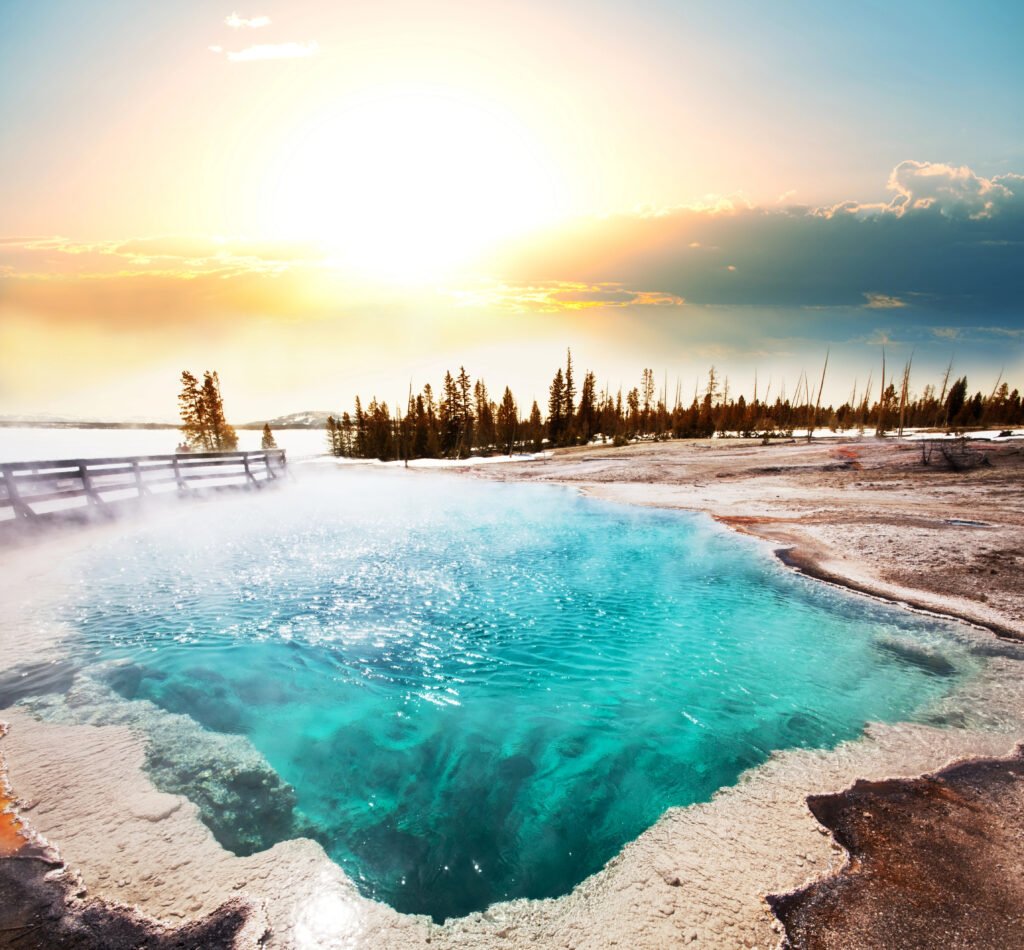
But if you like winter? Montana is stunning. Snow-covered mountains, frozen lakes, steam rising from hot springs in sub-zero temps. Ski resorts are running, snowshoe trails are quiet, and you’ll have most places to yourself.
Just know what you’re signing up for. This isn’t “pop over to Glacier for some quick photos” season. This is “embrace winter or stay home” season.
Who this works for: Skiers, people who love snow, hot springs enthusiasts, anyone who hates crowds more than they hate cold.
Who should skip it: First-time visitors wanting the classic Montana experience, anyone who gets stressed by weather, people who need lots of options.
April & May – Mud season is real and nobody warns you
Spring in Montana is… let’s call it aspirational.
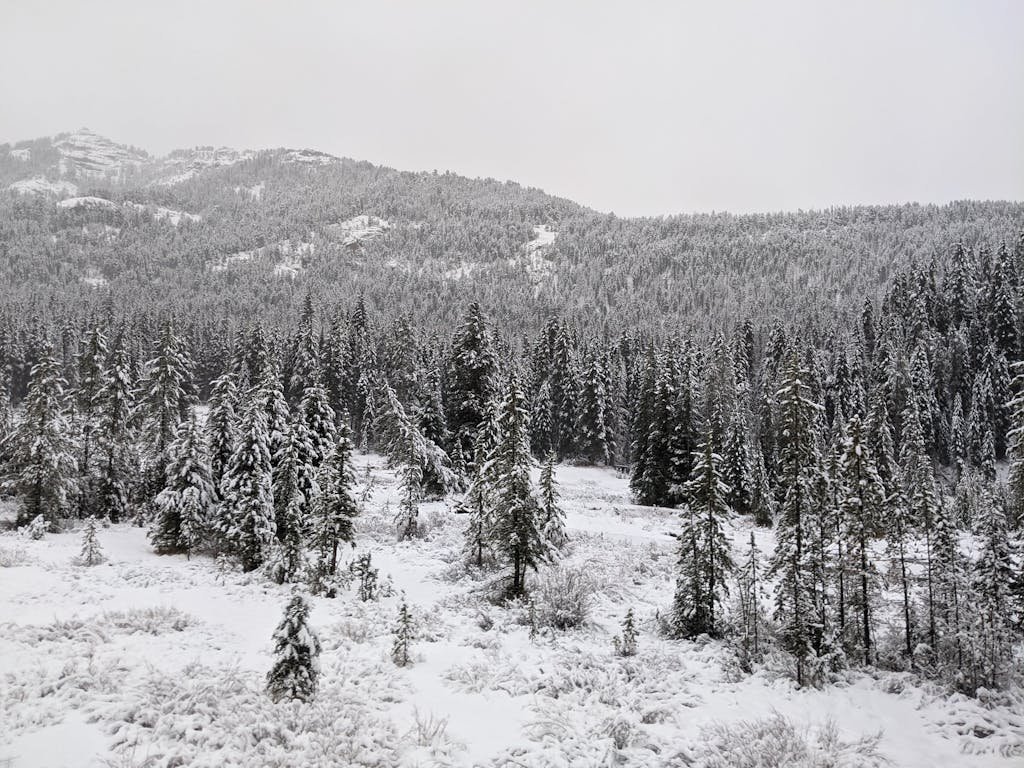
Technically it’s spring. Snow is melting (slowly), things are greening up (eventually), and you might get some beautiful days. You’ll also get mud, random snowstorms, roads that are “maybe open?”, and trails that are somewhere between winter and summer and not really hikeable.
This is Montana’s awkward phase.
The upside? Almost nobody visits. Small towns are quiet. Hotels are cheap. You can actually get a table at restaurants. If you’re flexible and don’t have a rigid itinerary, it can be lovely in a low-key way.
But if you’re flying in from across the country expecting peak Montana? You’ll be disappointed. Glacier’s high country is still buried. Going-to-the-Sun Road won’t open until June or July. Half the stuff you want to do isn’t ready yet.
Who this works for: Flexible travelers, people on a budget, hot springs lovers, anyone okay with “let’s see what’s open.”
Who should skip it: First-time visitors, anyone with specific hikes in mind, people who need predictability.
June – Better than you think, but still iffy
June is underrated, but it comes with an asterisk.
Early June still feels like spring in the mountains. Going-to-the-Sun Road might be closed. Some trails have snow. You’re not getting the full Glacier experience yet.
But mid-to-late June? Actually great. Days are long (like, sunset at 9:30pm long), wildflowers are starting, temperatures are pleasant, and crowds haven’t hit their peak yet. You get summer weather without peak summer chaos.
Locals love June because it feels hopeful. Everything’s waking up, green is coming back, and you’re not fighting for parking yet.
The catch: You need to check road and trail conditions before you go. Some years Going-to-the-Sun doesn’t fully open until early July. If your entire trip depends on that road, June is risky.
Who this works for: Flexible planners, people who hate crowds, photographers (the light is incredible), repeat visitors who know the drill.
Who should skip it: First-timers who want guarantees, people with rigid itineraries, anyone who’ll be upset if their top choice hike is still snowed in.
July & August – Peak everything (crowds included)
This is when everyone comes. And I mean everyone.
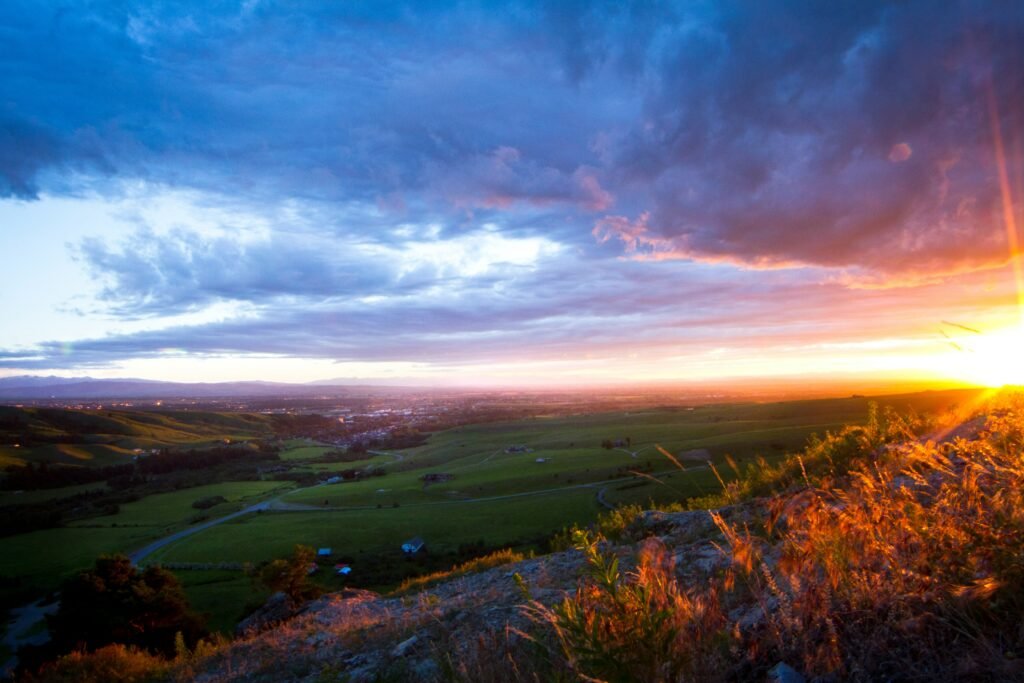
Montana in peak summer is gorgeous – warm days, everything’s open, trails are clear, Going-to-the-Sun Road is fully accessible, lakes are swimmable. This is the Montana of Instagram photos and vacation dreams.
It’s also crowded, expensive, and requires strategy.
Glacier’s parking lots fill by 7am. Popular trails feel like highways. Hotels book months in advance. Restaurants have waits. That small-town Montana vibe you’re hoping for? You’ll find it, but you’ll have to work for it.
Here’s what locals do: we go early or we go late. Early morning hikes before the crowds arrive. Weekday adventures when day-trippers are fewer. Dinner at 5pm or 8:30pm to avoid the rush.
If you come in July or August, you need a plan. Wing-it travelers get frustrated fast.
Who this works for: First-time visitors who want the full experience, families with school schedules, people who don’t mind crowds if it means access, anyone willing to plan ahead and get up early.
Who should skip it: People who want solitude, budget travelers, anyone who gets anxious in crowds, spontaneous types who hate planning.
September – The local favorite
If I had to pick one month to send someone to Montana, it’d be September.
Crowds thin out dramatically after Labor Day – like, noticeably, immediately. The weather’s still good (crisp mornings, pleasant afternoons, occasional cold snaps). Everything’s still open. And there’s this shift in energy where Montana stops performing for tourists and just… is.
Going-to-the-Sun Road is still open most of the month. Trails are clear. You can get hotel rooms and restaurant tables without advance planning. Fall colors start showing up, especially in the valleys.
The only downside? Days are shorter. You’re losing daylight, so you can’t pack quite as much in.
But honestly, September is when Montana is at its best. It’s not trying so hard.
Who this works for: Pretty much everyone. Especially people who want the full Montana experience without the peak summer stress.
Who should skip it: Anyone who needs guaranteed warm weather for swimming, people who want super long days.
October – Short but stunning
October in Montana is a gamble, and whether you win depends on what you’re hoping for.
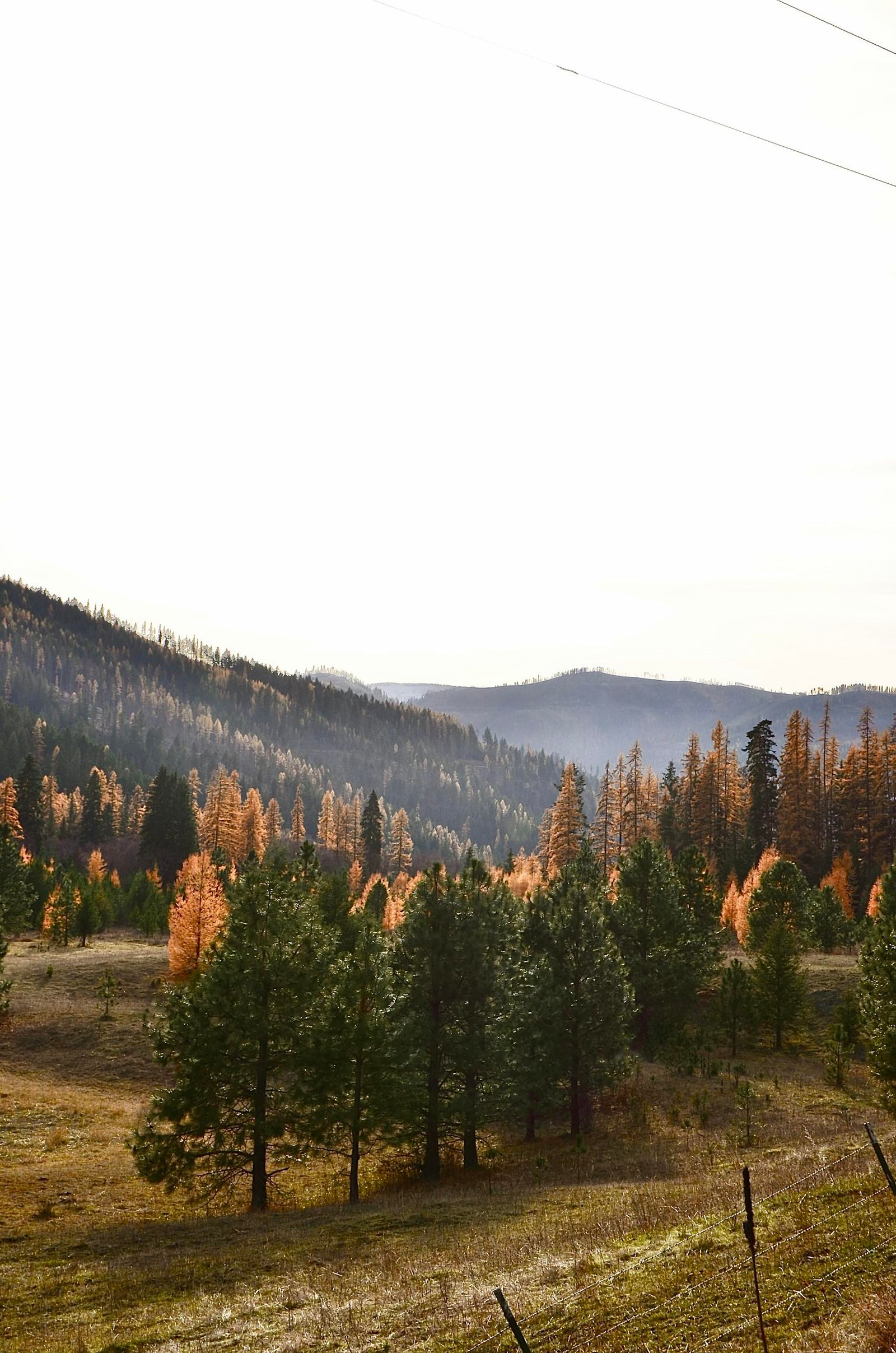
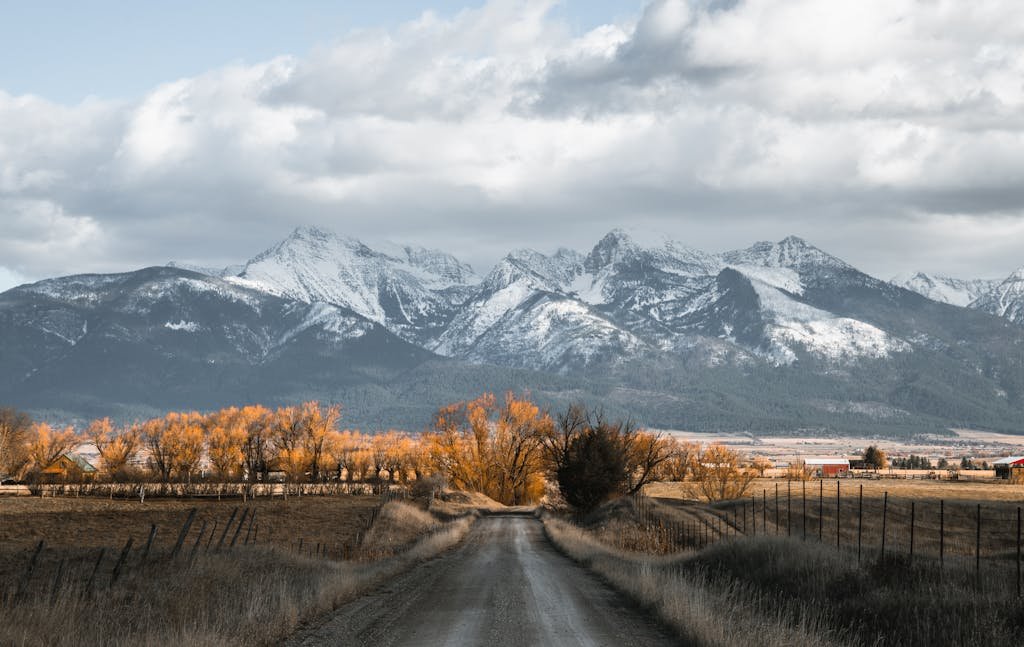
Fall colors can be incredible – golden aspens, crisp air, dramatic light. Early October especially. But by mid-to-late month, winter’s already creeping in. Snow at higher elevations. Some park roads closing. Seasonal businesses shutting down for the year.
If you come in October, your trip needs to be flexible. You’re not going to hit every trail you planned. You might get snowed on. Some things will be closed.
But if you’re okay with that? October’s magic. It’s quiet. It’s beautiful. And there’s something about Montana in fall that feels more honest than summer – less show, more substance.
Who this works for: Photographers, people who love fall, flexible travelers, anyone okay with limited access if it means empty landscapes.
Who should skip it: First-time visitors, rigid planners, anyone who’ll be upset if weather changes their plans.
November & December – Winter’s back, tourists are gone
Late fall and early winter are locals-only season.
Snow’s back, most seasonal businesses are closed, and Montana returns to its quieter self. If you’re not here for skiing or hot springs, there’s honestly not much to do.
But that’s kind of the point. This is cozy cabin season. Wood stoves, hot springs in the snow, small-town Christmas lights, the kind of quiet that makes you realize how loud the rest of the year was.
It’s not for everyone. It’s definitely not for sightseers. But if you want to experience Montana when it’s not on stage? This is it.
Who this works for: Winter lovers, hot springs enthusiasts, people seeking serious quiet, anyone who wants Montana without any tourist infrastructure.
Who should skip it: First-timers, active adventurers, anyone who needs options and services.
So… when should you actually come?
For your first time: July, August, or September. You want access, open roads, and the full experience.
For fewer crowds: June or September. You get most of the access with way less stress.
For serious quiet: Winter or shoulder seasons, but know what you’re trading for that solitude.
For the best weather + least crowds + full access: September. Hands down.
The truth is, there’s no perfect time. Every season gives you something and takes something away. Summer gives you access but takes your solitude. Winter gives you quiet but takes your road trip flexibility. Spring gives you cheap hotels but takes your trail options.
Figure out what matters most to you, then match the season to that.
One last thing from someone who’s from Montana…
Montana doesn’t perform on command. It’s not Disneyland. It won’t always cooperate with your itinerary.
Some years Going-to-the-Sun Road opens late. Some years September has snow. Some years April is surprisingly gorgeous. You can plan all you want, but Montana’s going to do what it does.
The best trips I’ve seen are the ones where people show up ready to meet Montana where it is – not where they hoped it would be.
Come in the season that fits your style, pack layers regardless, and stay flexible. Montana rewards that.